
Tower Fire delivers BAFE-accredited, RRFSO-compliant assessments and fire safety consultancy. Our team brings over 30 years of professional fire service experience. Request your free quote today.
Passive Fire Protection: Fire Doors, Compartmentation, and Fire Stopping from Tower Fire Group
Tower Fire provides fire door inspections, fire stopping, compartmentation surveys, and passive fire protection solutions for businesses, landlords, housing providers, and property managers across the UK. Delivered by experienced fire safety professionals, our services help ensure buildings are protected against the spread of fire and smoke while supporting compliance with current fire safety legislation.
Passive fire protection is a critical part of any building’s fire safety strategy. Fire doors, compartment walls, fire stopping systems, and cavity barriers are designed to contain fire and smoke, protect escape routes, and provide occupants with valuable time to evacuate safely. Under the Regulatory Reform (Fire Safety) Order 2005 and Approved Document B, building owners and responsible persons must ensure these measures are correctly installed, regularly inspected, and effectively maintained throughout the life of the building.
What Is Passive Fire Protection?
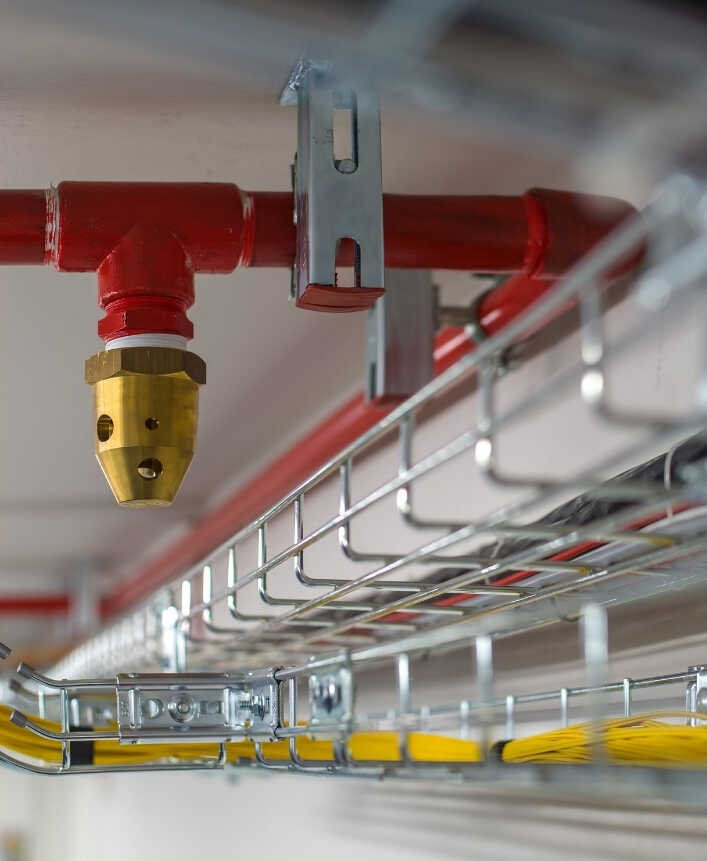
Passive fire protection refers to the fire safety measures built directly into the fabric of a building. Unlike active systems such as alarms and sprinklers, which respond when triggered, passive measures work continuously without power or activation.
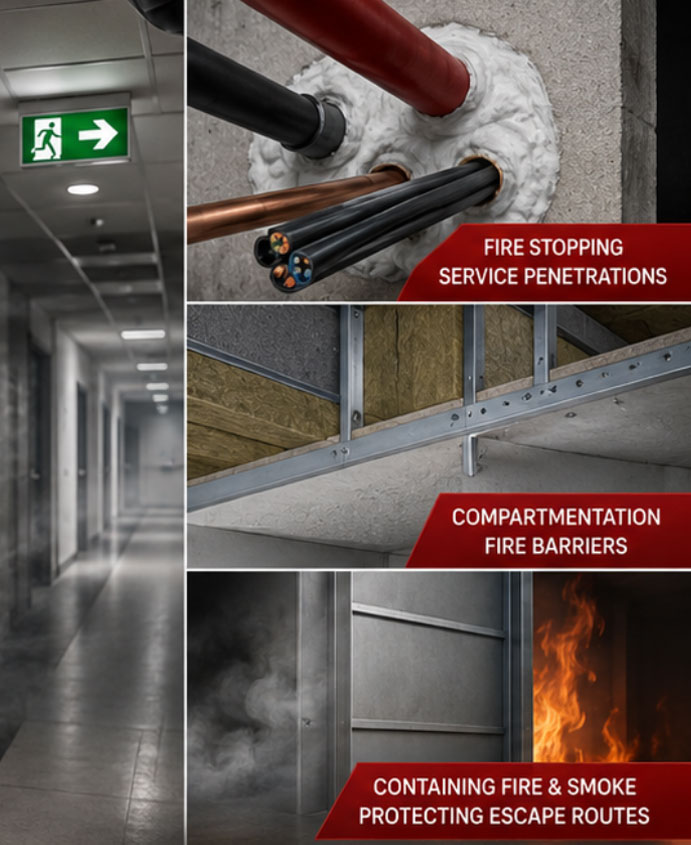
Examples include fire-resistant walls, floors, and ceilings, fire doors fitted with intumescent seals, fire stopping around service penetrations, and intumescent coatings applied to structural steelwork. Together, these elements divide a building into fire-resistant compartments, slow the spread of fire and smoke, protect means of escape, and buy critical time for evacuation.
Both passive and active fire protection are required for a complete, compliant fire safety strategy. Active systems detect and respond. Passive systems contain and slow.
Our Passive Fire Protection Services
Tower Fire Group provides a full range of passive fire protection services for commercial, residential, and mixed-use buildings across the UK.

Why Fire Compartmentation Is Critical to Building Safety
Fire compartmentation is one of the most important fire safety measures within a building. By dividing a property into fire-resistant compartments, it helps restrict the spread of fire and smoke, protects escape routes, and provides valuable time for occupants to evacuate safely and for emergency services to respond.
Over time, the effectiveness of compartmentation can be compromised by building alterations, maintenance works, new service installations, or poorly maintained fire doors and fire stopping systems. Even small breaches can reduce the performance of a fire compartment and increase the risk of fire and smoke spread.
Tower Fire’s compartmentation surveys identify deficiencies, breaches, and areas requiring attention throughout your building. Our detailed reports provide clear findings, photographic evidence, and prioritised recommendations to help building owners and responsible persons maintain compliance and improve fire safety.
Fire Stopping: Sealing Penetrations and Restoring Compartment Integrity
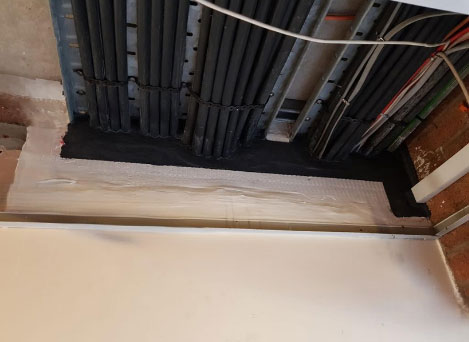
Every pipe, cable, duct, and conduit that passes through a fire-rated wall or floor creates a potential route for fire and smoke to travel. Fire stopping UK specialists use tested, rated materials to seal those penetrations and restore the fire resistance of the surrounding structure.
Tower Fire Group carries out fire stopping installations using the full range of rated systems, including intumescent mastic, fire batts, pipe collars, cable transit systems, and linear joint seals. Every installation is fully documented with product data sheets and a certificate of completion for your fire safety records.
Fire Door Installation and Inspection
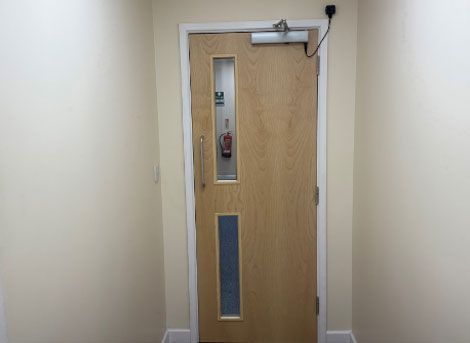
Fire doors are one of the most critical components of any passive fire protection strategy, and one of the most frequently found to be non-compliant. A fire door that does not close correctly, has a damaged intumescent seal, or is fitted with the wrong hardware offers little meaningful protection in an emergency.
Our fire door installation UK service covers the supply and fitting of FD30, FD60, and smoke-rated door sets to BS 8214 standards. We also carry out full inspections of existing fire doors, producing itemised reports detailing the condition of every door, frame, seal, closer, and hinge, with a clear schedule of required remedial works.

Why Choose Tower Fire
Every member of our team is an active or retired professional firefighter. We understand how fire behaves, how it travels through a building, and where compartmentation failures are most likely to occur. That knowledge makes our surveys more thorough and our recommendations more accurate.back to you as soon as possible!