
Tower Fire designs, installs, commissions, and maintains fire alarm and fire detection systems for commercial, residential, industrial, healthcare, education, and public sector premises across the UK. Our BAFE SP203-1 accredited team delivers BS 5839-compliant fire alarm solutions tailored to your building, helping protect occupants, support safe evacuation, and maintain compliance with fire safety legislation.
Fire Alarm Protection: Fire Alarm Design, Installation & Maintenance
A fire alarm system is one of the most important life safety systems within a building. Early fire detection provides valuable time for occupants to evacuate safely, helps limit property damage, and supports compliance with the Regulatory Reform (Fire Safety) Order 2005.
Tower Fire provides a complete fire alarm service, including system design, installation, commissioning, maintenance, monitoring, and upgrades. Every system is designed around the specific layout, occupancy profile, and fire risks present within the premises, ensuring the most appropriate level of protection is provided.
Our fire alarm systems are designed and maintained in accordance with BS 5839-1 and, where applicable, BS 5839-6, helping Responsible Persons meet their fire safety obligations with confidence.
What Is a Fire Alarm System?
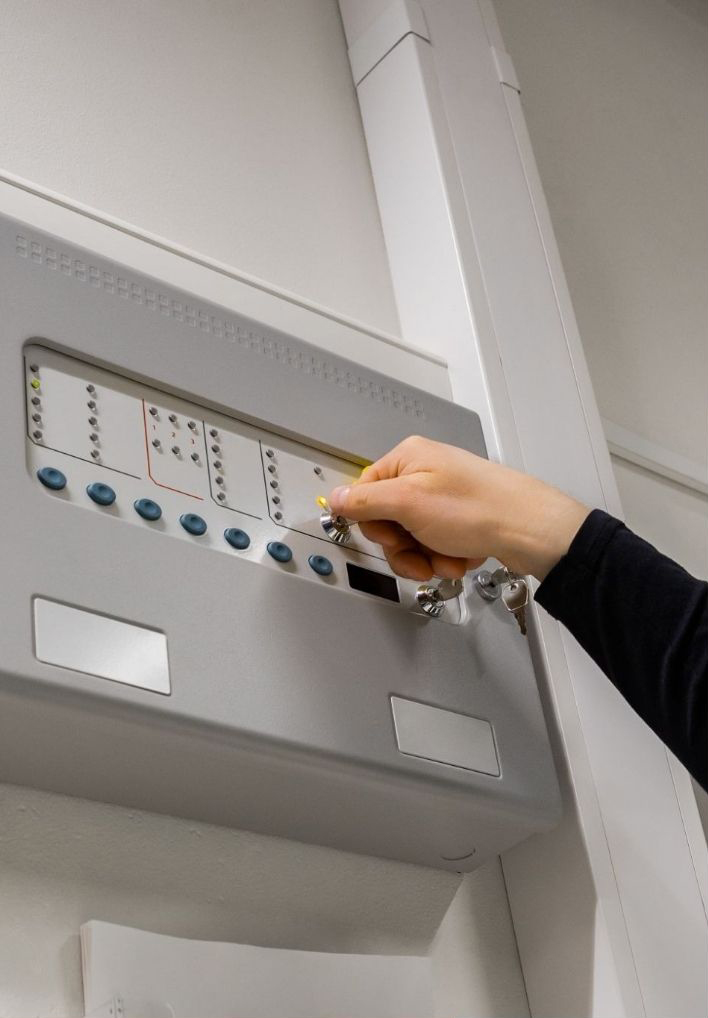
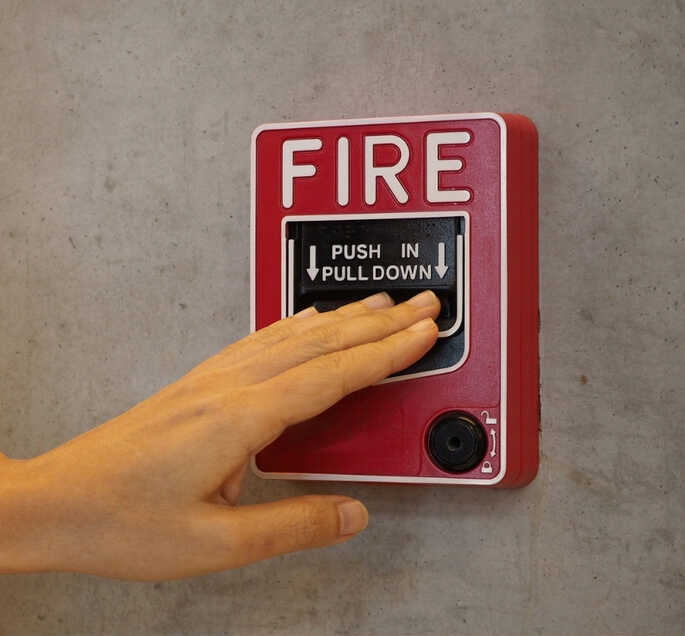
A fire alarm system is a critical life safety system designed to detect fire at the earliest possible stage, providing occupants with early warning to evacuate safely and helping to protect people, property, and business continuity. Typical systems include smoke detectors, heat detectors, manual call points, sounders, visual alarms, and a central control panel, with additional features such as remote monitoring and integration with other fire safety systems where required.
In non-domestic premises, fire alarm systems should be designed, installed, commissioned, and maintained in accordance with BS 5839-1 by a competent, third-party accredited provider, such as a company certified to BAFE SP203-1. This helps ensure the system is appropriate for the risks present within the building, supports compliance with fire safety legislation, and will perform effectively in an emergency.
Our Fire Alarm System Service
Tower Fire provides a complete fire alarm service across the UK, from initial survey and system design through to installation, commissioning, upgrades, and ongoing maintenance. Every project begins with a detailed site assessment and review of your fire risk assessment to identify the correct fire alarm category, detection coverage, and device specification for your premises.
Our service covers:
System Design:
BS 5839-1 compliant fire alarm design, including detector selection, device positioning, manual call points, sounders, visual alarms, and control panel requirements.
Supply and Installation: Professional fire alarm installation by qualified engineers, with full commissioning, testing, certification, and handover documentation.
System Upgrades: Replacement or improvement of outdated, non-compliant, or under-specified fire alarm systems to current standards.
System Integration:
Linking fire alarms with emergency lighting, suppression systems, access control, automatic door release, and monitoring where required.
Ongoing Maintenance:
Planned servicing, testing support, engineer inspections, and certification to help keep your fire alarm system compliant, reliable, and ready to respond.
Keeping Your System Compliant
A fire alarm system is only effective if it is properly maintained. A system that fails to activate because a detector has been masked by dust, a sounder has failed, or a panel fault has been left unresolved is worse than useless. It creates a false sense of security while the building remains unprotected.
BS 5839-1 specifies the maintenance requirements that all fire alarm systems must meet. Our fire alarm maintenance service covers the full schedule: weekly alarm tests by a nominated member of staff, six-monthly engineer inspections covering all detectors, call points, sounders, and panel functions, and annual full certification. Full documentation is provided after every visit for your fire safety logbook.
Legal Requirements for Fire Alarm Systems in the UK
Under the Regulatory Reform (Fire Safety) Order 2005, the Responsible Person must ensure that appropriate fire detection and alarm systems are provided where necessary to safeguard relevant persons and support safe evacuation. The fire alarm system selected should be determined by a suitable and sufficient fire risk assessment, taking into account the building’s use, occupancy, fire risks, and evacuation strategy.
To demonstrate compliance, fire alarm systems should be designed, installed, commissioned, and maintained in accordance with BS 5839-1 by a competent, third-party accredited provider, such as a company certified to BAFE SP203-1. Regular inspection, testing, and maintenance are essential to ensure ongoing reliability and compliance. Every fire alarm system installed and maintained by Tower Fire is fully documented, providing a clear audit trail to support fire safety management, regulatory inspections, and insurance requirements.

Why Choose Tower Fire for Your Fire Alarm System?
A fire alarm system is only as effective as the expertise behind its design, installation, and maintenance. Tower Fire combines technical fire alarm knowledge with real-world fire safety experience to deliver reliable fire detection systems that protect occupants, support safe evacuation, and help organisations achieve compliance with confidence.back to you as soon as possible!