
Tower Fire’s specialist training helps care staff respond with confidence when it matters most, evacuating residents safely and in line with fire safety legislation. Led by fire safety professionals with 30+ years of operational experience, every course is built around the real risks, layout, and needs of your care setting.
Care Specific Fire Evacuation Training.: Fire Evacuation Plans for UK Premises from Tower Fire
Tower Fire’s Care Specific Fire Evacuation Training helps care providers protect residents, support staff training, and comply with UK fire safety legislation. Delivered by active and retired professional firefighters with real-world emergency response experience, our training provides clear procedures for the safe evacuation of all residents, including those who may require additional assistance.
Under the Regulatory Reform (Fire Safety) Order 2005, the Responsible Person must ensure appropriate emergency routes, evacuation procedures, and staff training are in place. Our training addresses the specific risks, layout, and occupancy of each care setting, incorporating measures such as Personal Emergency Evacuation Plans (PEEPs) where required, to ensure the needs of disabled persons and other vulnerable residents are fully considered.
Whether for care homes, supported living, nursing facilities, or other residential care environments, Tower Fire provides practical, compliant evacuation training that supports life safety, emergency preparedness, and ongoing fire safety compliance.
Under the Regulatory Reform (Fire Safety) Order 2005, the Responsible Person must ensure appropriate emergency routes, evacuation procedures, and staff training are in place. Our evacuation strategies address the specific risks, layout, and occupancy of each building, incorporating measures such as Personal Emergency Evacuation Plans (PEEPs) where required, to ensure the needs of disabled persons and other vulnerable occupants are fully considered.
Whether for commercial premises, residential buildings, care environments, educational facilities, or industrial sites, Tower Fire provides practical, compliant evacuation strategies that support life safety, emergency preparedness, and ongoing fire safety compliance.
What Is Care Specific Fire Evacuation Training?
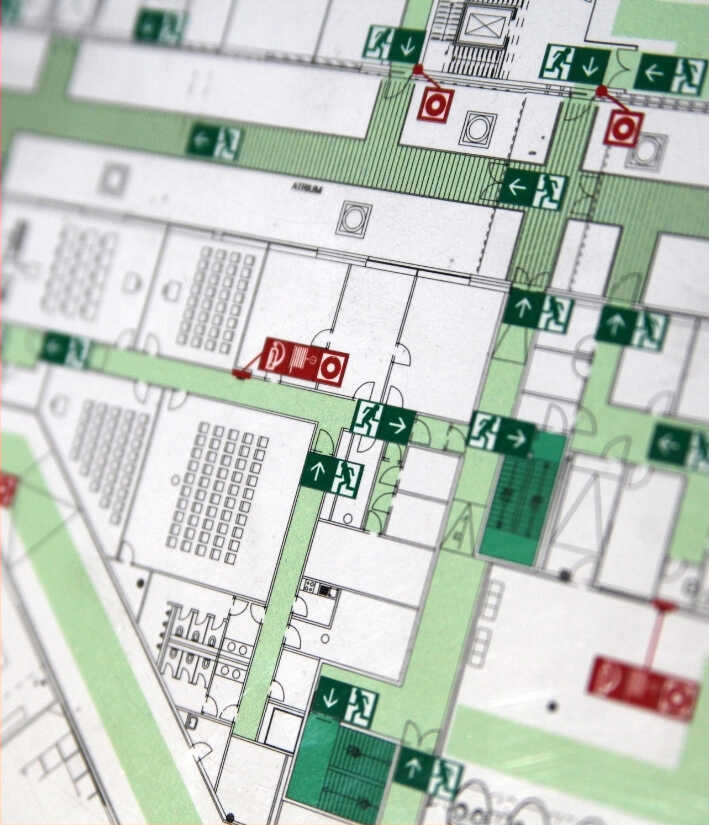
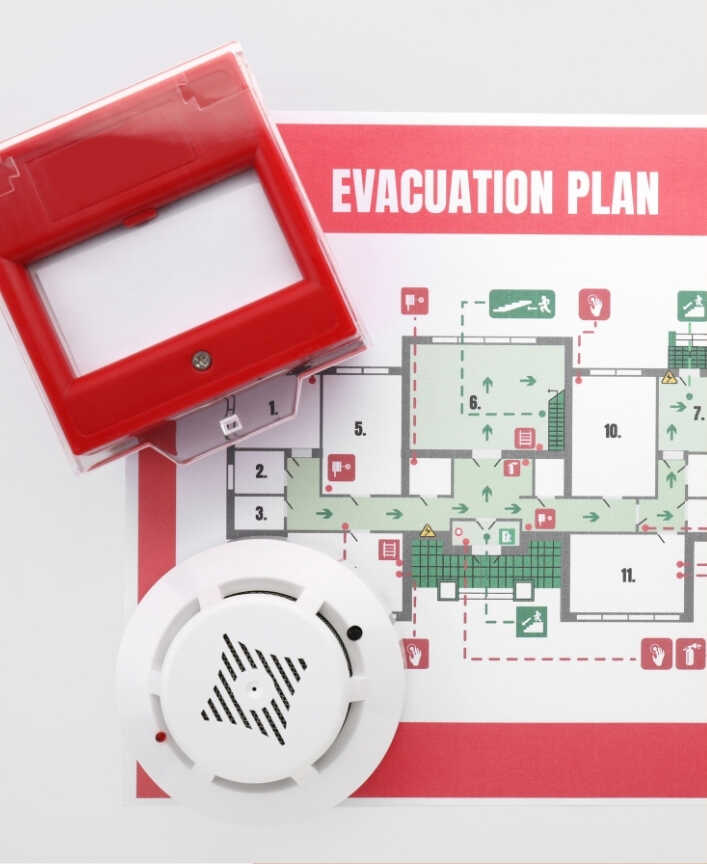
Care Specific Fire Evacuation Training is a specialist course that equips care staff with a clear understanding of how residents will be alerted to a fire and safely evacuated from the building. It covers the type of evacuation to be used, the roles of fire wardens and marshals, the routes available, the assembly points, and the arrangements for residents who may need assistance.
It is distinct from a fire risk assessment, which identifies hazards and recommends controls. This training focuses on the response: what happens, who does what, and in what order, from the moment an alarm sounds to the moment every resident is confirmed safe.
Every care setting needs training that reflects its specific building and residents. The correct approach for a small supported living unit is fundamentally different from the correct approach for a 60-bed care home or a residential block with residents of varying mobility and dependency needs.
The Legal Requirement for a Care Specific Fire Evacuation Training in the UK
The Regulatory Reform (Fire Safety) Order 2005 requires the responsible person to ensure that emergency routes and procedures are in place, clearly communicated to all occupants, and regularly tested through fire drills. This applies to all non-domestic premises in the UK.
The Fire Safety Act 2021 and the Fire Safety (England) Regulations 2022 introduced additional duties for residential buildings, including requirements around fire door inspections, building information sharing with fire and rescue services, and the provision of evacuation instructions to residents.
Most recently, the Fire Safety (Residential Evacuation Plans) (England) Regulations 2025, which came into force on 6 April 2026, introduced new obligations for responsible persons in specified residential buildings to identify residents whose ability to evacuate is affected by a physical or cognitive impairment, carry out person-centred fire risk assessments for those residents, and prepare both individual and building-wide emergency evacuation plans. These plans must be reviewed at least every 12 months.
Which Fire Evacuation Approach Is Right for Your Care Setting?
Several fire evacuation strategies are used in UK buildings, with the most appropriate approach determined by the building’s design, occupancy, fire safety measures, and the findings of the fire risk assessment.
- Simultaneous evacuation: All occupants leave the building immediately when the fire alarm activates. This is commonly used in offices, retail premises, schools, industrial facilities, and many commercial buildings.
- Phased evacuation: Occupants are evacuated in stages, typically starting with the area closest to the incident. This approach is often adopted in larger, multi-storey, or more complex buildings where a full evacuation could affect the safe movement of occupants.
- Progressive Horizontal Evacuation (PHE): Occupants are moved into an adjoining fire-resisting compartment before further evacuation is considered. This strategy is frequently used in healthcare environments, care homes, and premises where some occupants may require assistance to evacuate.
- Stay Put: Commonly associated with purpose-built blocks of flats, this strategy relies on effective fire compartmentation, allowing residents unaffected by a fire to remain safely within their own dwelling unless advised otherwise by the Fire and Rescue Service.
The appropriate evacuation strategy should be supported by suitable emergency procedures, staff training, and arrangements for persons who may require additional assistance, including Personal Emergency Evacuation Plans (PEEPs) where necessary.
Tower Fire develops bespoke evacuation strategies tailored to your building, helping Responsible Persons protect occupants, support effective emergency response, and comply with UK fire safety legislation.
Our Care Specific Fire Evacuation Training Service
Tower Fire develops bespoke evacuation strategies based on a detailed assessment of your building. Our fire safety professionals review the layout, occupancy profile, means of escape, fire compartmentation, and existing fire safety arrangements to determine the most appropriate evacuation strategy for your premises, helping to support occupant safety and compliance with fire safety legislation.
Our service includes:
Site assessment and evacuation strategy design tailored to the building and its occupants
Full written evacuation strategy document suitable for use in your fire safety records and for inspection by enforcement bodies
Practical evacuation drills to test and validate the strategy under realistic conditions
Staff training for fire wardens and marshals on their specific roles and responsibilities
Review and update of existing strategies following changes to occupancy, building layout, or legislation
Support with the new personal and building emergency evacuation plan requirements for specified residential buildings

Why Choose Tower Fire
Every evacuation strategy we develop is written by an active or retired professional firefighter. We have managed real evacuations, responded to real emergencies, and that operational experience shapes the quality and practicality of every plan we produce.back to you as soon as possible!