
Fire Marshal Course

Home » Fire Marshal Course

Tower Fire provides expert Fire Marshal and Fire Warden Training for businesses, schools, care homes and organisations across the UK. Delivered by experienced former firefighters, our practical, on-site courses help you achieve compliance, protect your people and build confidence in an emergency.

Speak to an expert

Fire Marshal Training:
Practical On-Site Courses from Tower Fire

Tower Fire delivers Fire Marshal Training and Fire Warden Training for businesses, schools, care homes and organisations across the UK. Every course is delivered on-site by experienced former fire service professionals and tailored to your building, fire risks, evacuation procedures and emergency plan, giving your nominated fire marshals the knowledge, practical skills and confidence to respond effectively in an emergency.
Under the Regulatory Reform (Fire Safety) Order 2005, Responsible Persons must appoint a sufficient number of competent people to assist with fire safety and ensure they receive appropriate, role-specific training. Tower Fire’s practical, scenario-based Fire Marshal Course helps you meet your legal obligations while improving fire safety, emergency preparedness and staff confidence.
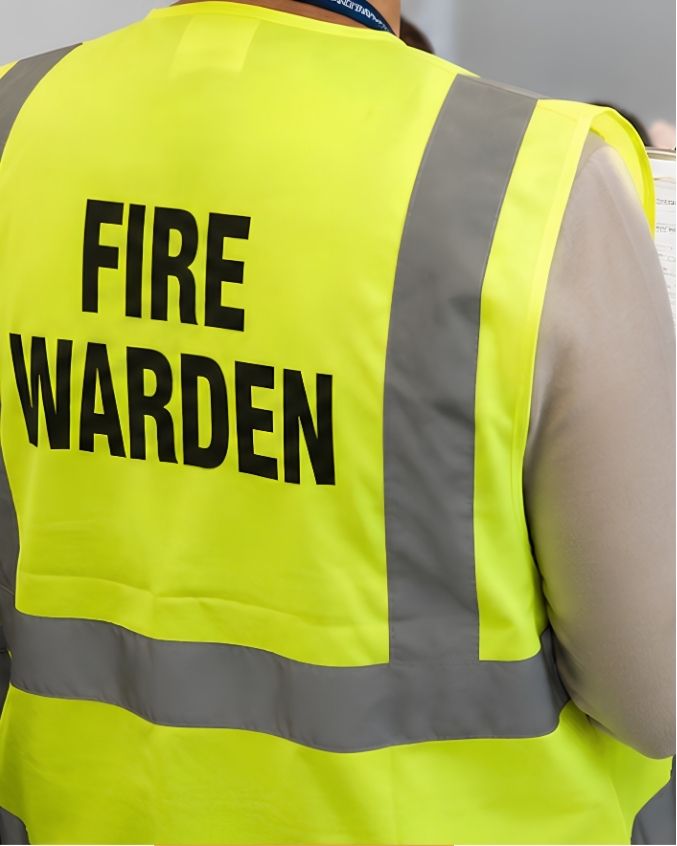
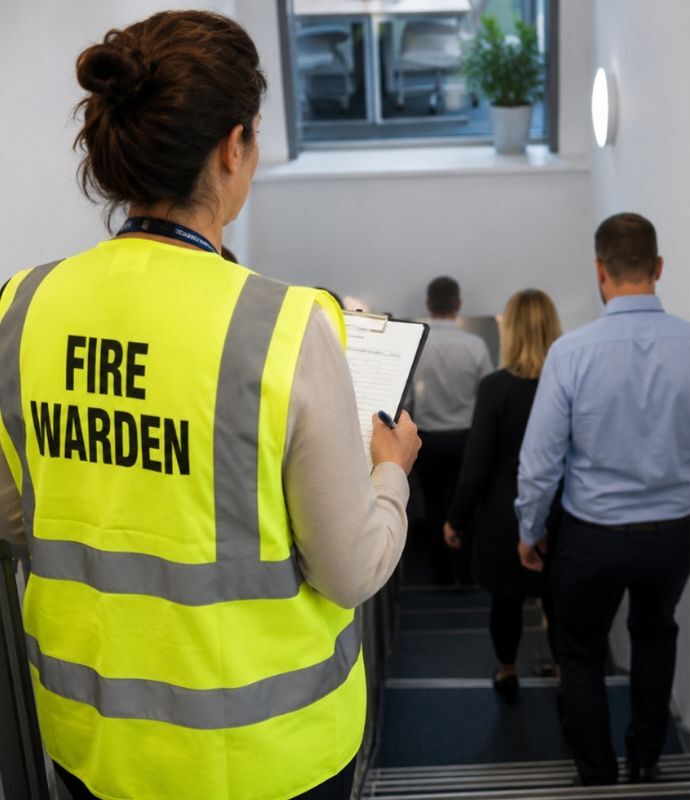
Fire Marshal Training:  Practical On-Site Courses from Tower Fire
What Is a Fire Marshal

What Is a Fire Marshal?

A Fire Marshal, sometimes referred to as a Fire Warden, is a nominated member of staff responsible for helping prevent fires, supporting fire safety management and coordinating the safe evacuation of a building during an emergency. In UK fire safety legislation, the terms Fire Marshal and Fire Warden are interchangeable. The Regulatory Reform (Fire Safety) Order 2005 does not distinguish between the two; it simply requires the Responsible Person to appoint competent individuals to assist with fire safety measures.

In some larger organisations, the roles may be divided for operational reasons. Fire Wardens may oversee the evacuation of specific floors or areas, while Fire Marshals coordinate at assembly points, account for occupants and liaise with emergency services. This is an internal management decision rather than a legal requirement. Tower Fire’s Fire Marshal Training covers the full range of responsibilities, ensuring your nominated personnel have the knowledge, confidence and practical skills to carry out their role effectively, whatever job title your organisation uses.
Is Fire Marshal Training a Legal Requirement?

Yes. Under the Regulatory Reform (Fire Safety) Order 2005 (RRFSO), the Responsible Person must appoint one or more competent persons to assist with fire safety and ensure they receive appropriate, role-specific training. While the legislation does not specifically require the job title Fire Marshal or Fire Warden, it does require anyone with fire safety responsibilities to be properly trained and competent to carry out their duties.

Tower Fire’s Fire Marshal Training Course helps businesses meet their legal obligations by providing practical, scenario-based training delivered by experienced former fire service professionals. Delegates receive a Fire Marshal Training Certificate, valid for three years, with refresher training recommended every three years or sooner if there are significant changes to the building, fire risks, occupancy or personnel.

What Does Our Fire Marshal Training Course Cover?

Every Fire Marshal Training course delivered by Tower Fire is tailored to your organisation, your building and your specific fire risks. Delivered on-site by experienced former fire service professionals, our practical, scenario-based training equips nominated Fire Marshals and Fire Wardens with the knowledge and confidence to help prevent fires, manage evacuations and support the Responsible Person in maintaining fire safety compliance.

Our Fire Marshal Course covers:

Fire safety legislation: Understanding the Regulatory Reform (Fire Safety) Order 2005, the responsibilities of the Responsible Person, and the legal duties of Fire Marshals and Fire Wardens.
Fire behaviour: How fires start and spread, the fire triangle, smoke development, compartmentation and the importance of passive fire protection.
Fire prevention: Identifying common fire hazards, carrying out routine workplace inspections and helping reduce fire risk before an emergency occurs.
Emergency evacuation procedures: Raising the alarm, directing occupants to safety, checking designated areas, managing assembly points and confirming building clearance.
Supporting vulnerable occupants: Understanding Personal Emergency Evacuation Plans (PEEPs), evacuation chairs, refuge areas and assisting those who may need additional support.
Working with the Fire & Rescue Service: Providing critical information on arrival, including building layout, known hazards and the location of anyone unaccounted for.
Practical fire extinguisher training: Identifying fire classes, selecting the correct extinguisher and safely tackling small fires where it is safe and appropriate to do so.
Fire safety records and documentation: Completing fire safety logbooks, recording fire drills, maintaining inspection records and understanding the importance of compliance documentation.

By the end of the course, delegates will understand their responsibilities, be confident in carrying out the duties of a Fire Marshal or Fire Warden, and be better prepared to respond effectively during a real fire emergency.

What Are the Duties of a Fire Marshal?

A Fire Marshal plays a vital role in preventing fires, supporting fire safety management and ensuring the safe evacuation of occupants during an emergency. Tower Fire’s Fire Marshal Training Course provides delegates with the knowledge and practical skills to carry out these responsibilities confidently and effectively.

Fire Marshal duties typically include:

Before an Emergency

During an Emergency

After an Emergency

Ongoing Responsibilities

How Many Fire Marshals Does Your Organisation Need?

There is no fixed legal ratio for the number of Fire Marshals required. Under the Regulatory Reform (Fire Safety) Order 2005, the Responsible Person must appoint a sufficient number of competent Fire Marshals or Fire Wardens based on the size, layout, occupancy and fire risks of the premises.

As a general guide:

As part of every Fire Marshal Training course, Tower Fire’s experienced former fire service professionals will assess your premises and advise on the appropriate number and positioning of Fire Marshals to help you meet your legal responsibilities and maintain effective fire safety management.

Why Choose Tower Fire for Evacuation Training?

Why Choose Tower Fire for Fire Marshal Training?

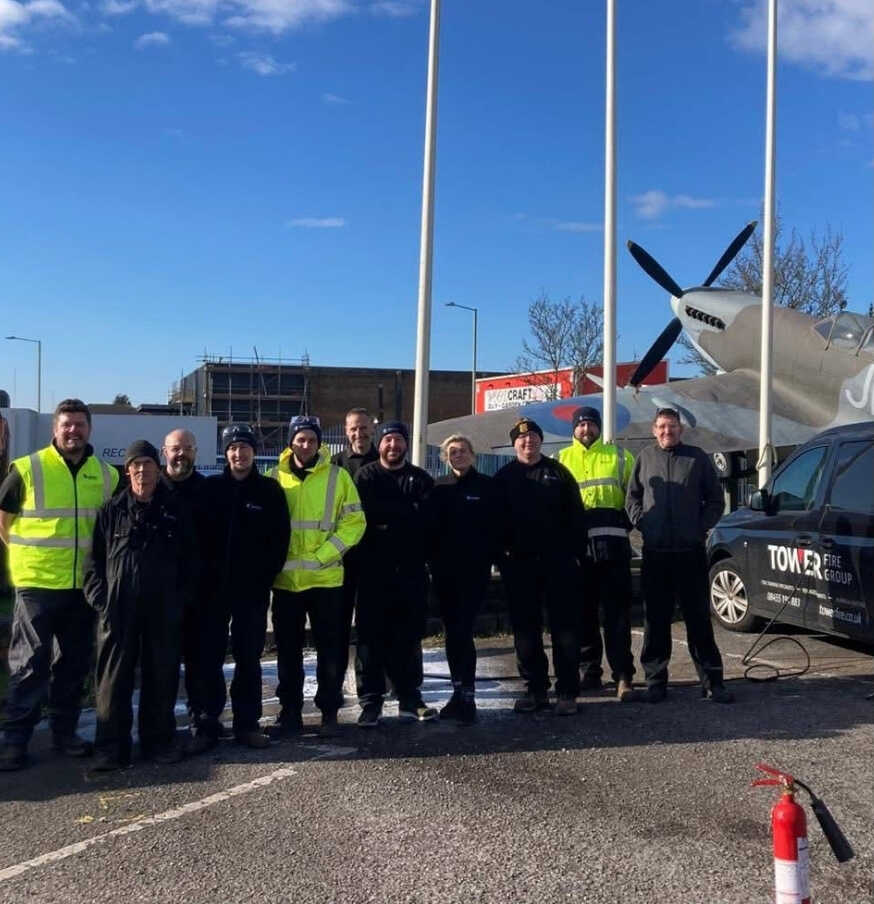
Choosing the right Fire Marshal Training provider is about more than meeting a legal requirement—it’s about giving your nominated Fire Marshals the confidence and practical skills to respond effectively in a real emergency. At Tower Fire, every course is delivered by experienced former fire service professionals who have managed real evacuations and attended live fire incidents, bringing genuine operational knowledge into every training session.

Our practical, scenario-based Fire Marshal Training is delivered at your premises and tailored to your building, evacuation strategy and fire risks. Using realistic exercises, smoke simulation where appropriate and hands-on fire extinguisher training, delegates don’t just learn the theory—they practise the skills they’ll need to help protect people and support a safe evacuation.

Why organisations choose Tower Fire:

  • Delivered by experienced former fire service professionals with real emergency response experience.
  • On-site Fire Marshal Training tailored to your building, fire risks and evacuation procedures.
  • Practical, scenario-based learning using realistic emergency exercises and smoke simulation where appropriate.
  • Hands-on fire extinguisher training to build confidence in the safe use of firefighting equipment.
  • Fire Marshal Certificate issued on successful completion, valid for three years.
  • Fully aligned with the Regulatory Reform (Fire Safety) Order 2005, helping Responsible Persons meet their legal training obligations.
  • Trusted by businesses, care homes, schools and organisations across the UK for practical, engaging fire safety training.
Whether you’re training new Fire Marshals or refreshing existing staff, Tower Fire provides engaging, practical courses that improve compliance, strengthen emergency preparedness and give your team the confidence to act when it matters most.
FIRE SAFETY FAQ
Still have questions? Send us an email and we’ll get
back to you as soon as possible!

Send Email

FIRE SAFETY FAQ

In the UK, there is no legal difference between a Fire Marshal and a Fire Warden. The Regulatory Reform (Fire Safety) Order 2005 does not distinguish between the two terms. Both refer to a nominated member of staff trained to assist with fire prevention, emergency evacuation and fire safety management. Some organisations separate the roles operationally, but this is a business decision rather than a legal requirement.

A Fire Marshal Certificate issued by Tower Fire is valid for three years. Refresher Fire Marshal Training is recommended every three years, or sooner if there are significant changes to your building, fire risks, occupancy, evacuation procedures or nominated Fire Marshals. Regular refresher training helps maintain competence and ensures your organisation continues to meet its legal responsibilities.

There is no fixed legal ratio for the number of Fire Marshals required. The Responsible Person must appoint a sufficient number of trained Fire Marshals based on the size, layout, occupancy and fire risks of the premises. As a general guide, one Fire Marshal for every 20–50 people is commonly recommended, with additional Fire Marshals required for larger buildings, multiple floors, complex evacuation strategies or higher-risk environments such as care homes, schools and industrial premises.

Yes. All Tower Fire Fire Marshal Training courses are delivered on-site at your premises, allowing us to tailor the training to your building layout, fire risks and evacuation procedures. This practical approach gives delegates experience in their own working environment, making the training more relevant, engaging and effective than generic classroom-based courses.